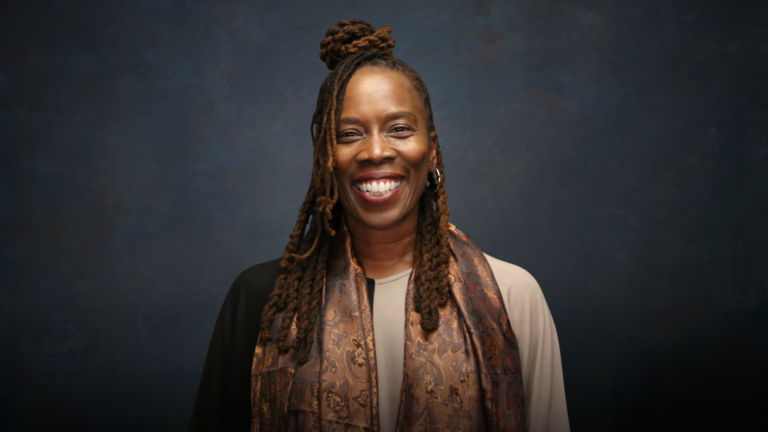
On today’s episode, Charles Duhigg, Pulitzer Prize-winning journalist and bestselling author of The Power of Habit and Supercommunicators, joins Mike on Finding Mastery for his third conversation. The last time we spoke with him, his ideas about how we talk to each other felt timely. Now they feel urgent. Families are arguing past each other. AI has quietly rewritten what we can trust in writing. And the ability to genuinely connect with another human is starting to look like the rarest skill of all.
Charles opens with a deceptively simple framework. We are all moving through three kinds of conversations every day. The practical, the emotional, and the social. Most of the misunderstandings, the lonely moments, the fights with our partners and kids, come from one place: the person across from us is in one kind of conversation while we’re in another. He calls it the matching principle, and once you see it, you can’t unsee it.
From there, the conversation gets personal. Mike tells the story of a professor who interrupted his perfected trauma narrative with one odd question and walked away, and what it taught him about not letting people retraumatize themselves through repetition. Charles talks about how he stays connected to his teenage sons, how to talk to a relative you voted against without losing the relationship, and the research showing that strangers can feel surprisingly close in under an hour when the questions go deep enough.
Underneath everything is Carl Rogers’ idea of unconditional positive regard. Wanting to understand someone, not convince them. It doesn’t require agreement. And as Charles and Mike both keep returning to, it tends to change almost everything.
In this conversation, we explore:
- The three kinds of conversations we’re all having, often without realizing it
- Why polish and fluency no longer signal what they used to in an AI world
- The matching principle, and why mismatched conversations leave us feeling unseen
- How to navigate hard conversations with family, friends, and people you disagree with
- Why deep questions, looping for understanding, and positive regard quietly change everything
- How to stay connected to teenagers, partners, and people you love over the long arc
- The neuroscience of connection, including neural entrainment and the Fast Friends Procedure
Charles believes that communication didn’t evolve simply to exchange information. It evolved to help us feel connected.
And the good news… anyone can become a “super communicator.” Charles shows us how.
Let’s dive in.
“…being a super communicator, it’s not really a superhuman thing. It’s something that any human can do…” — Charles Duhigg
Resources + Links
Subscribe to our Youtube Channel for more conversations at the intersection of high-performance, leadership, and meaning: https://www.youtube.com/c/FindingMastery
Get exclusive discounts and support our amazing sponsors! Go to: https://findingmastery.com/sponsors/
Subscribe to the Finding Mastery newsletter for weekly high performance insights: https://www.findingmastery.com/newsletter
Download Dr. Mike’s Morning Mindset Routine!